
Liberals vote to keep B.C. tanker ban in place

OTTAWA — The Liberal government voted to keep the B.C. coastal oil tanker ban in place Wednesday, defeating a Conservative bill that would have repealed it.
MPs voted along party lines during second reading in the House of Commons Wednesday, with only the Conservatives voting to move the bill forward to the committee stage.
As they brought forward the bill, Conservatives pointed to a proposal by Calgary-based Strathcona Resources to ship up to 250,000 barrels of Canadian oil daily on existing railroad tracks through Prince Rupert, B.C., to the coast.
“Conservatives have made it clear that we’re willing to work with the Liberals to bring forward amendments if they have concerns with this piece of legislation to see this proposal move forward,” Conservative natural resources critic Carol Anstey told reporters earlier in the day.
“The prime minister has said he wants to make Canada an energy superpower. This is his opportunity to prove that he is serious about that commitment and vote in favour of Bill C-264.”
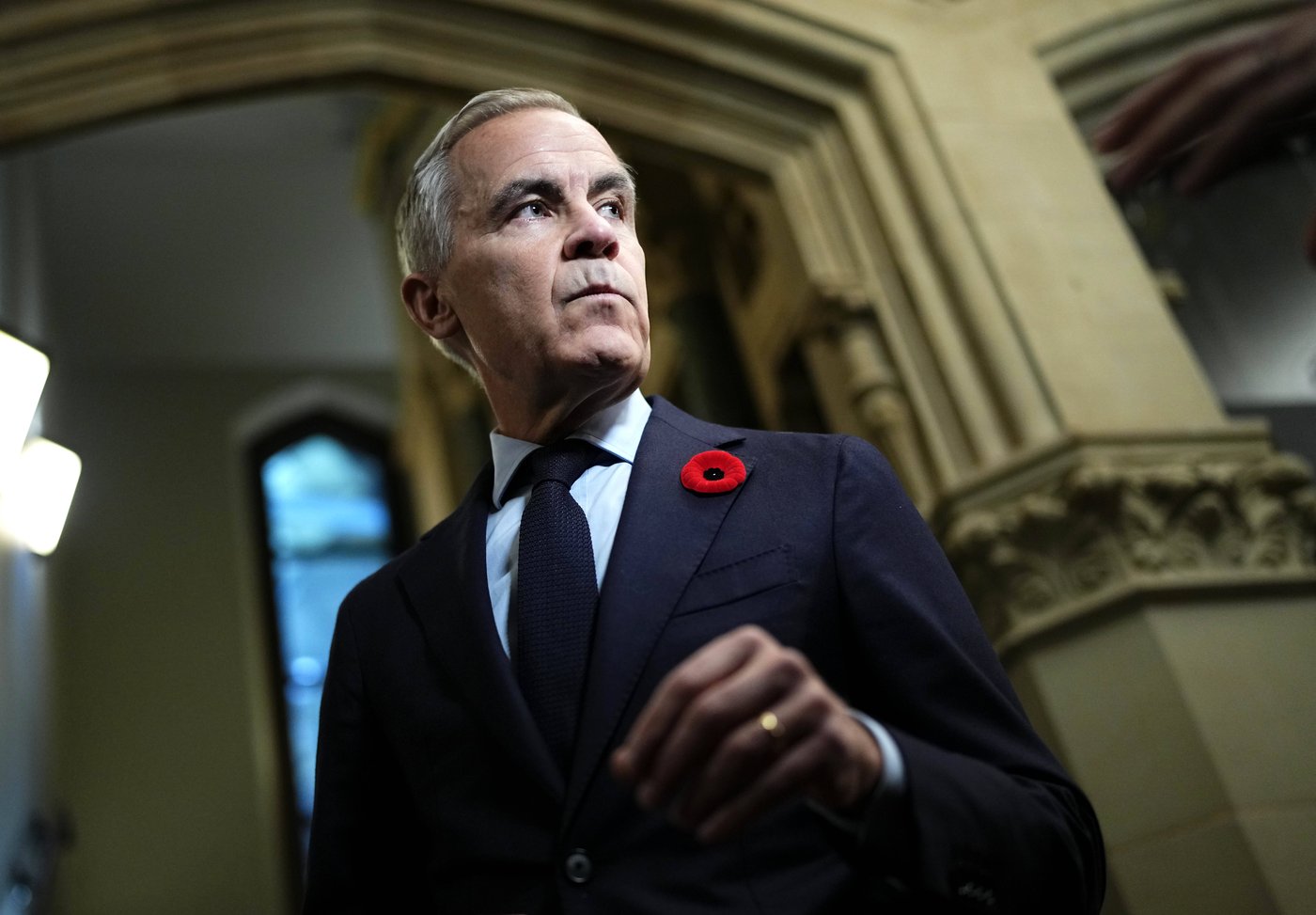
Prime Minister Mark Carney — who struck a deal with the B.C. government earlier this summer to keep the ban in place — made a rare appearance after question period Wednesday to vote in person on several bills, including C-264.
Shortly after making the tanker ban deal with B.C., Carney and Alberta Premier Danielle Smith announced the route for the proposed oil pipeline to the West Coast will go south to respect the tanker ban.
Smith, who originally envisioned the pipeline going north, backed the Conservative bill to repeal the ban.
“Canada cannot become a global energy superpower while federal policies continue to stand in the way of getting our energy to the world. Repealing the tanker ban is an important step toward securing better prices for our resources and building a stronger, more prosperous Canada,” Smith said in a media statement.
The existing law, the Oil Tanker Moratorium Act, prohibits tankers from carrying more than 12,500 metric tonnes of crude oil in areas along the northern coast of British Columbia.
Anstey pointed out that the proposal from Strathcona was entirely a private sector pitch without public subsidies.
“This is what they’re asking for to create Canadian jobs and opportunities, diversify exports, and so we want to support that,” she said.
This report by The Canadian Press was first published Oct. 28, 2026.
Nick Murray, The Canadian Press
Comments