
The times aren’t a-changin’ in Western Canada but there’s still adjustments ahead
WINNIPEG — The clocks aren’t changing Sunday in the western half of the country, but that doesn’t mean changes aren’t coming as British Columbia, Alberta, Manitoba, northwestern Ontario and the Northwest Territories all chose this year to stick with daylight time.
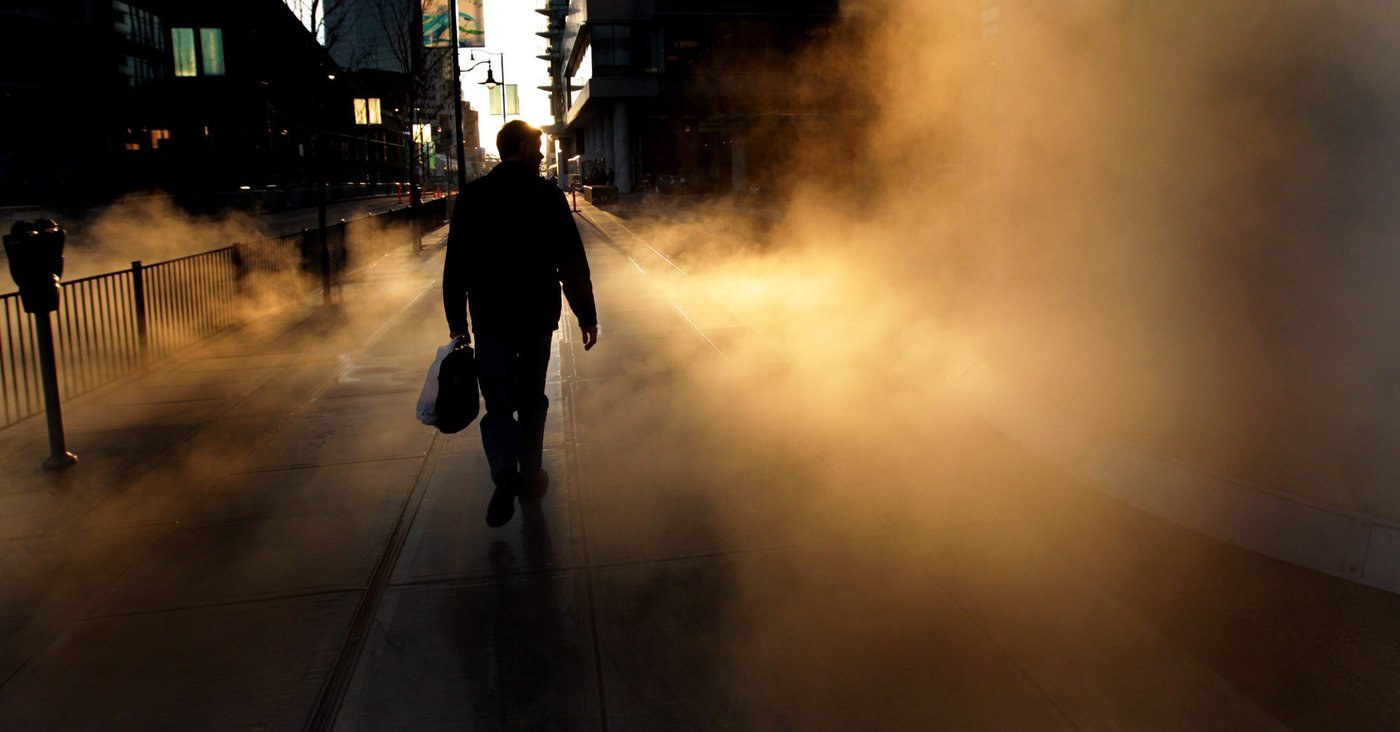
Kids heading to school, construction workers to the worksite and adrenalin-seekers to the slopes are some of those facing the challenge of darker mornings in the months ahead.
In Winnipeg, the sun isn’t going to rise until almost 9:30 a.m. in late December. In Edmonton, sunrise at that point will be around 9:50 a.m. In Prince Rupert, B.C., it will be after 10 a.m.
In exchange, there will be more light in the evenings. But the decisions to end time changes, stemming from widespread popular support, have raised safety and health concerns, as well as some practical challenges.
Canada Border Services Agency, for example, has shifted its hours at 26 land crossings to align with U.S. states, where the clocks will still fall back an hour on Saturday night. The agency says the move will mean more clarity for travellers as well as ensuring no one who gets turned around at the border will get stuck in no man’s land.
At the International Peace Garden straddling the Manitoba-North Dakota border, it will mean following separate hours for the first time, said CEO Tim Chapman.
To adjust, the garden will have employees from either side coming in at their usual times, which will result in roughly half of staff who are Canadian coming in an hour earlier than the Americans.
“It’s going to be another new wrinkle in a lot of the uniqueness here,” Chapman said.
It also means the garden will effectively be open an hour longer, since it will open on Manitoba’s central daylight time and close on North Dakota’s central standard time, but the effects will be muted since the garden is much quieter in the winter, said Chapman.
As for the garden’s carillon clock, he said earlier this week that he wasn’t sure yet which time it will ring out.
“That would be one thing where for some people, it won’t be accurate.”
But things will get simpler at another boundary.
Residents of Lloydminster, which sits in both Alberta and Saskatchewan, will no longer have to juggle different times this winter as Alberta’s permanent mountain daylight time will align with Saskatchewan’s permanent central standard time.
“We’re excited to see it done,” said Mayor Gerald Aalbers.
While the city has stuck with Alberta’s time changes over the years, it has meant confusion for everything from school sports to doctors appointments when heading elsewhere in Saskatchewan.
“There was a constant fight: which time do we have our game at, or what time is our appointment at … so it really had effects on a number of people.”
For some ski hill operators farther west in the Rocky Mountains, like Banff Sunshine Village, opening time will be delayed a half-hour to 9:30 a.m. so there’s enough light for safety checks.
Even then, Kendra Scurfield, a spokeswoman for the facility, said the safety work will still need to be compressed.
The slopes will stay open later, to 4:30 p.m., but that isn’t a clear-cut benefit given that visitors generally like to head out before 4 p.m. to get on with dinner and other plans, she said.
Employees will also have to adjust to later closings.
“Our operating hours are forced to change because of the decision to stay on permanent daylight time. But those employees with small children, their schools aren’t changing. Their daycare times aren’t changing.”
Schools are having to adjust in other ways as they prepare to welcome kids in the dark.
The St. James-Assiniboia School Division in Winnipeg is adjusting its light timers, to make sure there’s enough visibility around the school grounds. It’s also been reviewing lighting conditions at all community bus stops and will be monitoring the visibility of the volunteer student crossing guards, said assistant superintendent Jaime Siska.
The division is advising parents to make sure students are wearing bright clothing, and asking drivers to be extra vigilant.
“We’re recognizing that students are coming to school in the dark,” Siska said.
The division also sent out tips on how to offset some of the negative effects of getting going before the sun rises, such as turning on bright lights in the morning.
Construction workers, who generally start at 7 a.m., also face the effects of increased darkness.
“There is a bit of a concern around efficiency, with an extra hour of working in the dark. The largest concern is about working during the coldest part of the day outside,” said Darryl Harrison, CEO of the Winnipeg Construction Association.
A later start would mean dealing with traffic, and the knock-on effects on lives by leaving work later.
“Pushing back your workday by an hour, it can really get in the way of your family plans.”
It’s largely because of the hassle of adjustments that provinces have decided to do away with time changes.
But after debating the issue for so long, Aalbers in Lloydminster is just relieved to have it settled.
“What’s really important is we’re able to move forward, and it’s done, and I hope that this debate goes away; the generation that comes forward will not even know what time change was in the future years.”
But it’s not certain the changes will stick. Other countries that tried to go with permanent daylight time have given up on the effort after a few years, including Russia and Chile a decade ago, and the United States, which tried it in the 1970s.
This report by The Canadian Press was first published Oct. 31, 2026.
— With files from Brittany Hobson in Winnipeg and Dayne Patterson in Calgary
Ian Bickis, The Canadian Press
Comments