
Stats show about 37 crashes per hour in B.C. during December
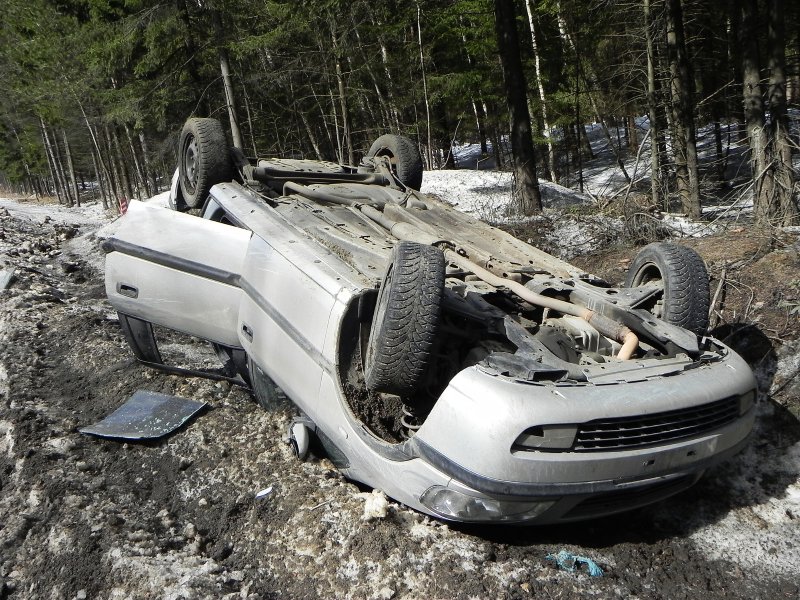
Stats show December is the riskiest month for driving (Image Credit: Vilgun1 / Dreamstime)
One of the most dangerous things people will do this holiday season is drive.
That’s according to WorkSafeBC which says I.C.B.C. statistics show the average number of reported crashes over the last five years is about 37 per hour during the month of December.
WorkSafeBC stats also show December has the second-highest number of accepted motor vehicle incident time-loss claims.
The agency’s Road Safety at Work is sending out the warning ahead of national Safe Driving Week which begins December 1.
“December brings together several factors that can increase driving risk,” says Trace Acres, spokesperson for Road Safety at Work’s Winter Driving Safety campaign, in a news release.
Winter weather, holiday traffic, less daylight, and the pressure to get everything done can create challenging conditions even for experienced drivers.
“Employers can help prevent collisions by ensuring workers have enough time to travel safely and by putting clear policies and procedures in place to cancel or postpone trips when road or weather conditions are unsafe,” says Todd McDonald, Head of Prevention Services at WorkSafeBC. “Getting workers to their destination safely should always be the priority.”
In poor winter conditions, Road Safety at Work advises drivers to postpone or cancel trips when possible. If driving is essential, drivers can take steps to help keep themselves and their passengers safe. These include:
- Slowing down and leaving more space between the vehicle in front of you. Reduce your speed to match conditions. Leave at least four seconds of following distance on highways.
- Planning ahead and avoiding rushing. Check your route on DriveBC.ca, monitor weather reports, allow extra travel time, and be prepared to postpone travel when conditions are unsafe.
- Preparing your vehicle for winter. Use winter-rated tires with at least 3.5 mm of tread depth. Check lights, wipers, and washer fluid, and carry an emergency kit.
- Making sure you can see and be seen. Use headlights and tail lights at all times. Keep windows, mirrors, and lights clear of frost, snow, and dirt.
- Staying alert and focused. Avoid driving when tired, put your phone away, and never drive while impaired by alcohol or drugs.
WorkSafeBC is a provincial statutory agency that promotes workplace safety and provides no-fault insurance, compensation, and rehabilitation for work-related injuries and illnesses.
Comments