
B.C. billionaire’s real estate firms allege ‘pattern of misconduct’ by CRA in tax row
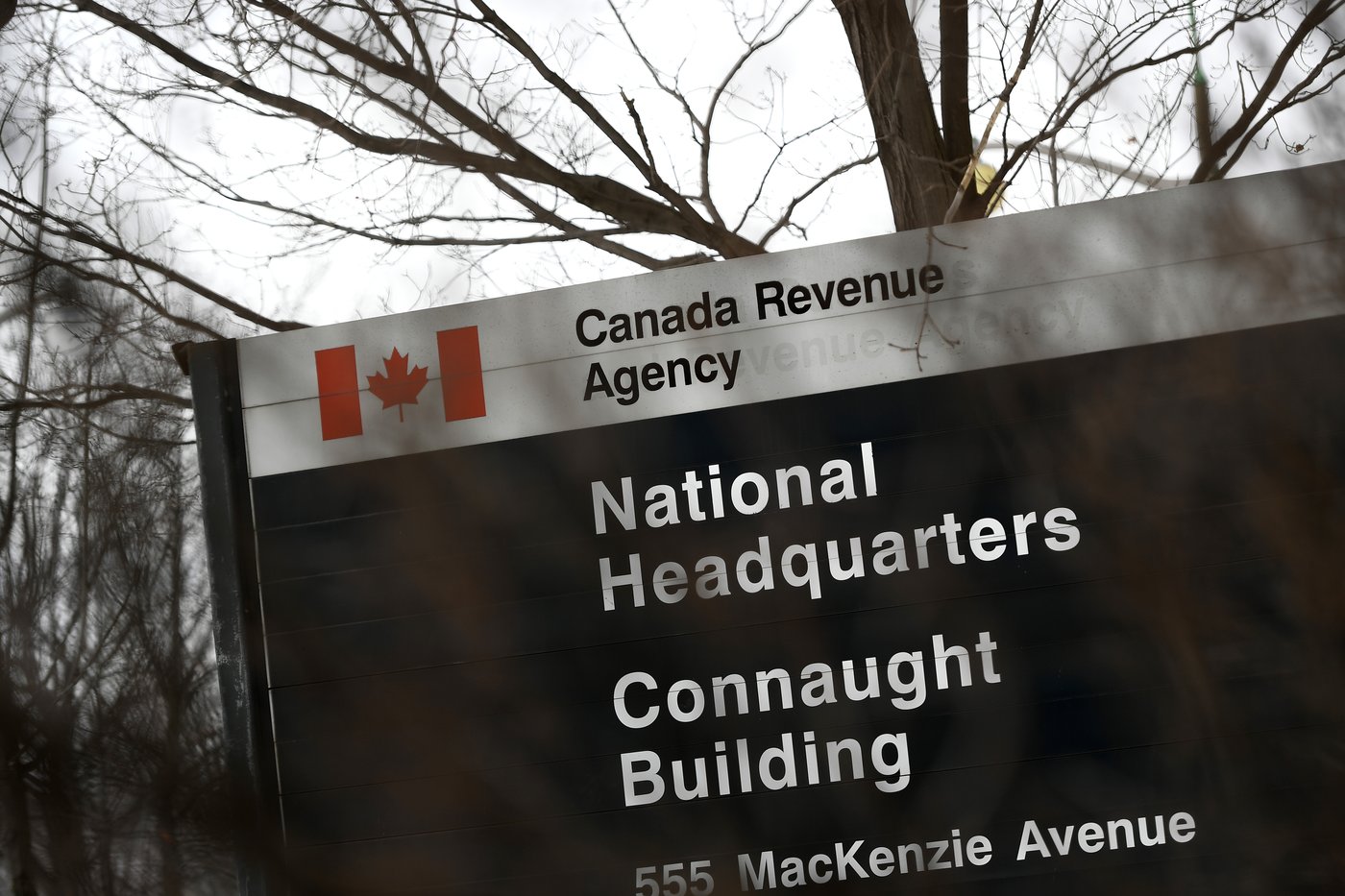
Companies controlled by billionaire B.C. property developer Terry Hui allege that the Canada Revenue Agency has engaged in a “pattern of misconduct” in its attempts to collect on ballooning tax debts dating as far back as 2007.
Five companies within Hui’s real estate development group are targeted in the audit by the CRA, including Adex Securities, One West Holdings, a B.C. numbered company and two Luxembourg-based shell companies.
The companies filed an application in Federal Court this month, claiming the government has wrongfully moved to collect on tax debts totalling nearly $330 million, most of which is accrued interest.
The application says the group is involved in capital-intensive real estate projects in Toronto, Vancouver and Calgary and the audit, initiated in 2013, focused on transactions that relied on Canada’s tax treaty with Luxembourg.
The companies say in the application that they’ve received tax debt assessments this year, with Adex owing $45 million and interest of more than $65 million, while the two Luxembourg based companies owe together more than $92 million and $127 million in interest.
They want the court to stop the government from collecting on the debts until a related case filed earlier this year is concluded, while objecting to the CRA wanting $115 million security payment from Adex.
Requiring a payment that large and not allowing the company to defer will cause the real estate group to “lose significant capital that is currently being used to fund active development projects.”
The application is one of at least three filed in Federal Court this year related to the dispute, where they claim that being forced to pay will cause “irreparable harm” and that no advance notice from the CRA means that they “could not have reasonably planned for a debt … of this magnitude.”
The companies claim the revenue agency has exhibited a “pattern of misconduct,” alleging its officers acted outside established policies and procedures and “without regard to the impact of their actions on taxpayer businesses.”
Lawyers for the companies were not immediately available for comment, but Justin Kutyan with KPMG Law in Toronto told The Canadian Press earlier this year that the transactions in the case were similar to a tax structure upheld by the Supreme Court of Canada in 2021.
The court ruled 6-3 in favour of Alta Energy Luxembourg, which had claimed a tax exemption on a capital gain of more than $380 million under Canada’s treaty with Luxembourg, described in the decision as being “well known as an international tax haven.”
The court found in Alta’s favour, ruling that Canadian tax authorities couldn’t use anti-tax avoidance rules to “judicially amend or renegotiate a treaty.”
The dissenting justices in the case, however, said “the federal government did not deliberately set out to create the conditions for unlimited tax avoidance by means of schemes” used by the company.
The dissenters wrote that “the court should not legitimize such blatantly abusive tax avoidance based on the view that Canada should have negotiated different treaty terms.”
The CRA said it did not have a spokesperson available for an interview to comment on tax treaty abuse.
This report by The Canadian Press was first published Oct. 21, 2026.
Darryl Greer, The Canadian Press
Comments