
DNA expert likens B.C. bear attack investigation to human crime scene
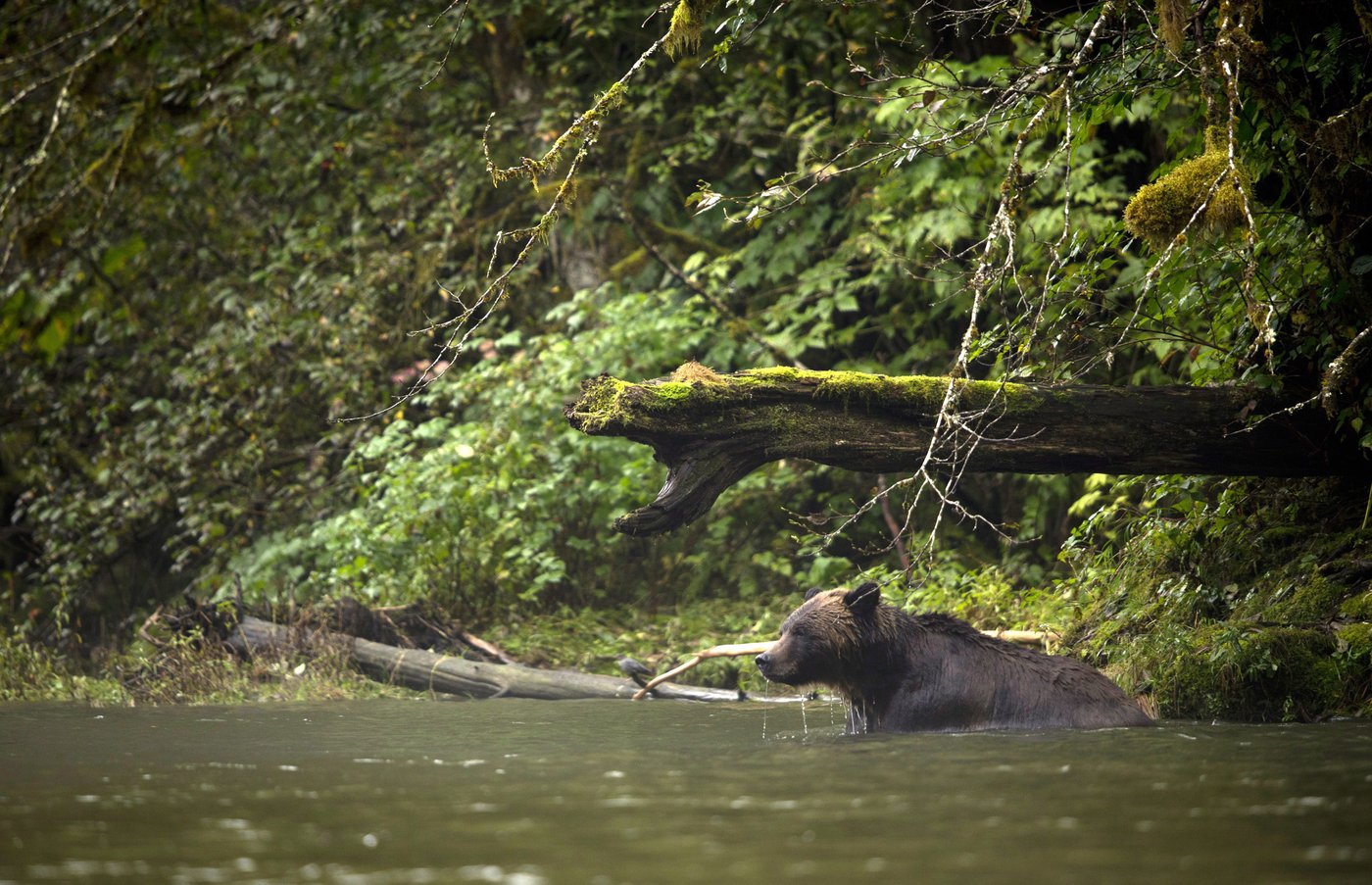
A forensic DNA expert says investigators assessing the scene of this week’s deadly bear attack in Bella Coola, B.C., will likely use techniques to identify the culprit animal very similar to those used on a human crime scene.
Dean Hildebrand, who oversees the accredited forensic DNA lab at the British Columbia Institute of Technology, says the main difference is that animal scene investigators don’t need to worry about cross-contaminating bear samples with their own DNA.
Though he is not involved in the Bella Coola investigation, Hildebrand says they would collect samples, including saliva, blood or hair, to be tested in a forensic lab that would then compare the DNA sequence with any animals they capture.
The BC Conservation Officer Service continues its search for a bear or bears that killed a mother and daughter in Bella Coola.
School art therapist Jenny Balcarras and her adult daughter, Selah Reed, were reported missing on Sunday and their bodies were later found near a set of trials.
The service has previously said DNA from the attack would be compared to samples collected in the same area last year after a grizzly attacked a group of about 20 elementary school students and teachers, leaving an adult and three children badly injured.
In its latest post to social media on Wednesday, the service said no bears had yet been captured, but “various trapping techniques are being implemented as these efforts continue, with officers being rotated into the community.”
This report by The Canadian Press was first published Nov. 6, 2026.
Brieanna Charlebois, The Canadian Press
Comments